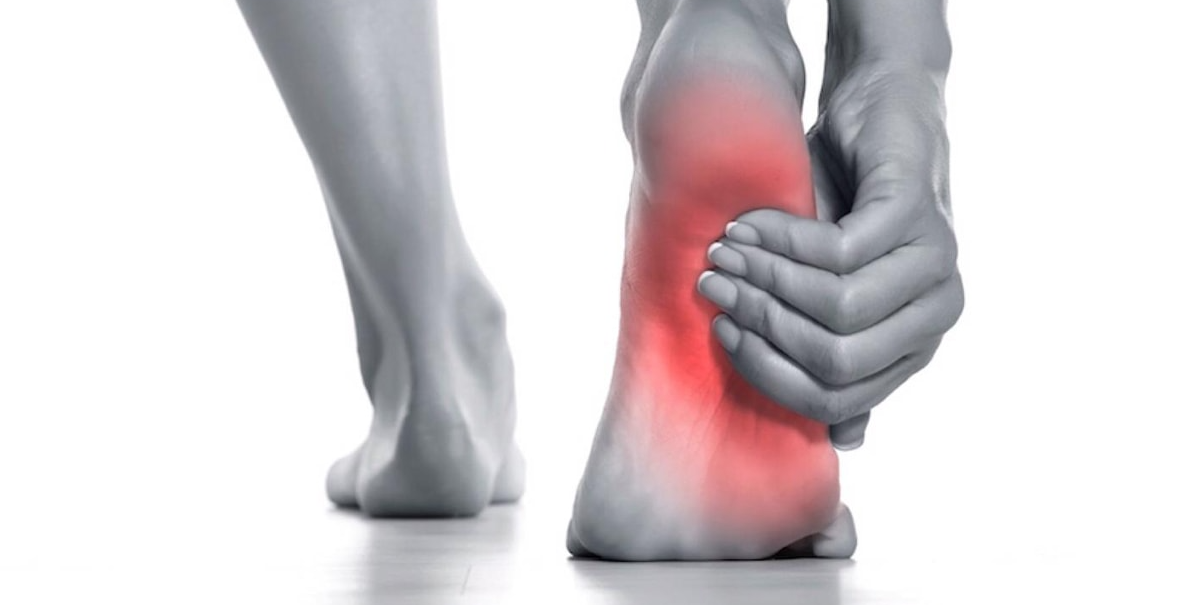
- Plantar fasciitis causes pain on the underside of the heel. In fact, it is the most common cause of heel pain and accounts for foot pain in up to 15% of patients at our clinic Healthy Movements Physiotherapy.
- It is caused by degenerative irritation of the plantar fascia and surrounding tissues at their attachment to the heel bone, due to various factors—most commonly mechanical overloading.
- Do you wake up with sharp pain under your heel when you take your first steps in the morning? If so, you’re not alone.
- At Healthy Movements Physiotherapy in Western Sydney, we see hundreds of patients each year struggling with plantar fasciitis — and the good news is, we can help.
- In the past, it was believed that the main mechanism behind plantar fasciitis was inflammation, as the suffix “-itis” in the term implies.
- However, research over the past 20 years has shown that it is primarily a degenerative process rather than an inflammatory one.
- Link to learn more about our team and what we do: https://healthymovementsphysiotherapy.com.au/about-us/
“Professional, knowledgeable, and understanding. Not only did they help me with heel pain relief, but they also explained the cause of the problem and taught me how to prevent the symptoms from coming back.”
— Ana 34
What is plantar fasciitis and why does it occur?
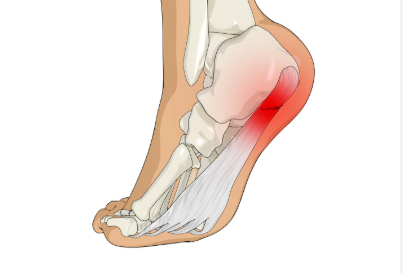
- Plantar fasciitis, as its name suggests, was originally considered an acute inflammatory condition.
- However, later studies on samples of the plantar fascia revealed degeneration with fragmentation of collagen fibers, micro-tears with degeneration of the fascia, and an absence of inflammatory cells.
- These changes reflect a chronic degenerative process without inflammation. Therefore, today plantar fasciitis is considered a degenerative condition.
- Repetitive stress associated with prolonged standing and weight-bearing leads to micro-tears in the plantar fascia.
- Continuous stretching and straining of the fascia result in structural changes and chronic degeneration.
- A heel spur, which is a bony growth, is often observed in patients with plantar fasciitis; however, it is not directly linked to the development of the condition.
Our experienced physiotherapists are trusted by locals across St Marys, Colyton, and Western Sydney for hands-on, evidence-based plantar fasciitis care. From busy workers to older adults, we customise every treatment to your goals.+
Plantar fasciitis vs. heel spur: is there a difference?
- In short, YES! A heel spur and plantar fasciitis are two different conditions that cause heel pain, but they have different causes.
- A heel spur is a bony growth on the heel bone, which may or may not cause pain.
- A heel spur is present in about 50% of patients with plantar fasciitis. More than 15% of the general population have a visible heel spur on X-ray without experiencing any symptoms.
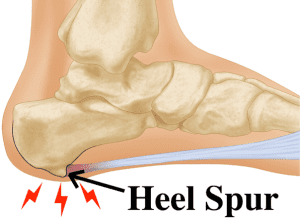
- On the other hand, plantar fasciitis involves degenerative irritation of the plantar fascia, often presenting as sharp heel pain.
- In cases where both plantar fasciitis and a heel spur are present, plantar fasciitis is most often the source of symptoms, while the heel spur is much less likely to be the cause.
- Although in our region the terms heel spur and plantar fasciitis are often incorrectly used as synonyms, these terms should not be confused.
“I struggled for a long time trying to figure out whether my heel pain was caused by a heel spur or plantar fasciitis because I didn’t know the exact cause. After a thorough diagnosis at the clinic, I finally gained clarity and received the right treatment. Thanks to them, the pain is gone, and I can walk normally again!”
— Marco, 45
Who is most commonly affected and what are the risk factors?
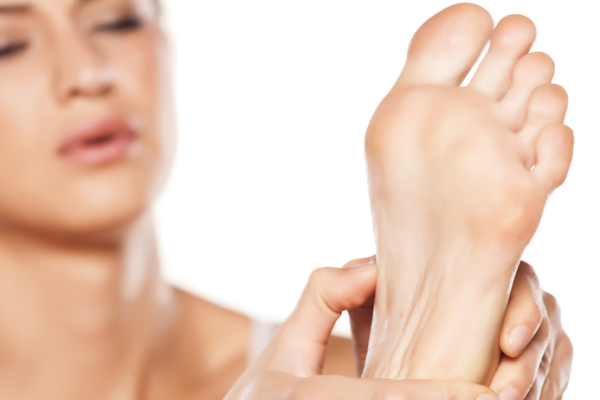
- It most commonly occurs in the working-age population between 25 and 65 years old, especially between 40 and 60 years.
- It is slightly more common in women.
- About 10-15% of all foot problems can be attributed to plantar fasciitis.
- It is more frequently seen in runners, with plantar fasciitis accounting for 10% of all running-related injuries. It is estimated that 22% of runners will experience plantar fasciitis symptoms at some point.
- It occurs bilaterally in one-third of cases.
- Increased body weight: Plantar fasciitis is more common in individuals with a higher body mass index (BMI > 25 kg/m²).
Risk factors
- Excessive foot loading
- Sudden increase in physical activity or starting a new activity that stresses the feet
- Prolonged standing or carrying heavy loads
- Abnormal foot shape
- Excessive foot pronation
- Limited foot and ankle mobility
- Muscle imbalances in the lower leg
- Footwear
- Obesity
- Changes in sports activities
- Aging
Physiotherapy for plantar fasciitis
Plantar Fasciitis Exercises
- Inefficient foot function can result from weakness in the foot and lower leg muscles, as well as other leg muscles.
- This leads to altered foot movement during different phases of walking, causing excessive strain on the plantar fascia and heel bone.
- Excessive foot pronation can be due to weakness of the tibialis posterior muscle.
- Besides the previously mentioned hamstring stretching exercises, our plantar fasciitis treatment includes strengthening exercises for the lower leg muscles, especially the posterior muscle group.
LASER Therapy
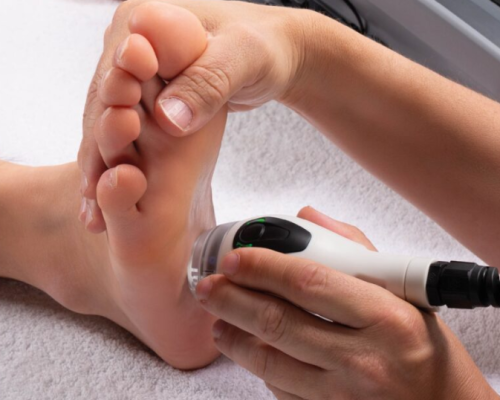
- Our specialists provide the use of LASER therapy for both acute and chronic plantar fasciitis, combined with other treatment techniques.
- LASER sessions are applied 3–5 times per week for a total of 3 weeks.
Dry Needling

- Dry needling is similar to Acupuncture which was invented by the Chinese, and it has been used for more than 3000 years.
- In Traditional Chinese medicine, it is believed that life-energy known as “qi” (ch-i) flows through the body through channels called meridians.
- Acupuncture is the practice of inserting needles into the skin on certain points of a meridian, to restore the flow of energy, and thereby stimulate healing.
- Our team offers solutions: https://healthymovementsphysiotherapy.com.au/service/dry-needling/
Electrotherapy
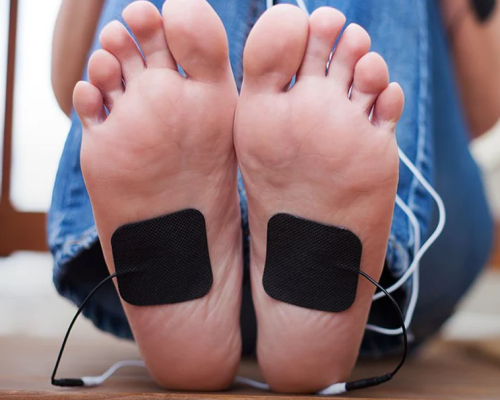
- Electrotherapy involves the use of electric currents to treat painful conditions.
- We support you with interferential currents (IFS), TENS, and galvanic currents.
- While the effectiveness of these currents for plantar fasciitis relief is debated, they remain part of our therapeutic options.
Therapeutic Ultrasound
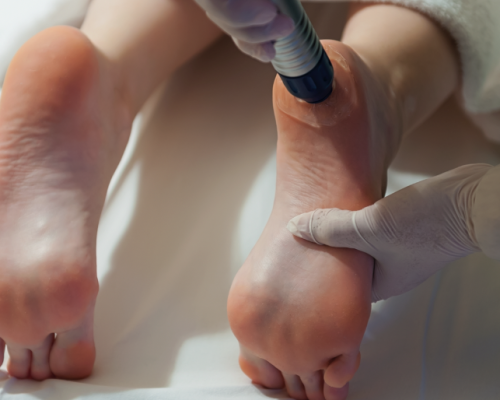
- Therapeutic ultrasound uses ultrasonic waves to treat various musculoskeletal pain conditions.
- However, current evidence does not clearly support its effectiveness in treating plantar fasciitis, so its use for this condition is not routinely recommended in our clinic.
If there has been no adequate pain relief from conservative measures, more advanced or invasive techniques should be considered, such as
Shockwave Therapy for plantar fasciitis
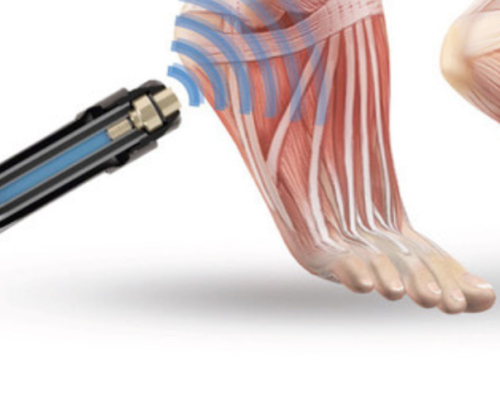
- Shockwave therapy is a non-invasive treatment method that uses high-energy acoustic waves to stimulate tissue regeneration and reduce pain.
- We utilize devices that produce both radial and focused waves.
- These waves are delivered precisely to the targeted area through an applicator placed directly on the patient’s skin.
- Shockwave therapy is usually applied before more invasive treatments such as corticosteroid injections or surgery.
- This method has proven effective in treating the majority of patients (45–80%) suffering from plantar fasciitis. It provides both short-term and long-lasting relief and is used for plantar fasciitis in both acute and chronic phases.
- While the exact mechanism of pain relief through shockwave therapy is not fully understood, it is believed to work through the following effects:
- Inducing microtrauma that stimulates the formation of new blood vessels, increasing blood flow and nutrient delivery to the damaged tissue.
- Hyperstimulation of nerve endings, resulting in immediate pain reduction.
- Increasing cell permeability, which accelerates tissue healing.
- Support is available through our expert team, shockwave therapy as a safe and effective option to help you recover from plantar fasciitis and return to your daily activities pain-free.
Exercises for Plantar Fasciitis and Heel Spur
1. Rolling a frozen bottle or foam roller
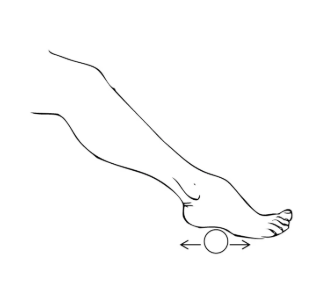
- Using both tools can be effective – the frozen bottle for the cooling effect and the foam roller for deeper pressure and massage of the area.
2. Calf Stretch
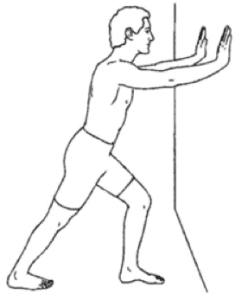
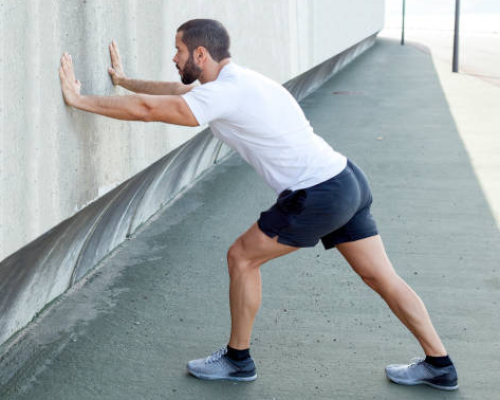
- Stand facing a wall, with your hands placed on the wall for support.
- Step the painful leg back, keeping the heel flat on the floor and the foot fully in contact with the ground.
- You should feel a stretch in the calf muscle of the back leg. Hold the position for about 10 seconds, and repeat 3–5 times.
3. Seated Stretch
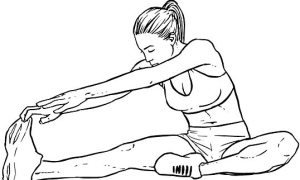
- While sitting, extend your leg with the heel resting on the floor.
- Pull your toes yourself and gently lean your upper body forward until you feel a stretch in the foot and calf muscles.
- Hold the position for about 10 seconds and repeat 3–5 times.
4. Towel Scrunches
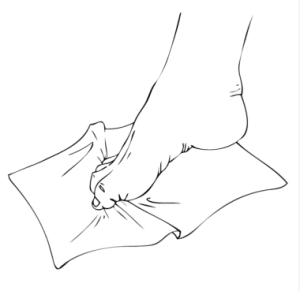
- While seated, place a towel on the floor in front of you and use your toes to scrunch and pull the towel toward yourself.
5. Foot and Calf Stretch with Resistance Band
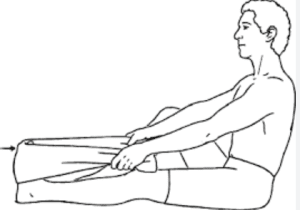
- Place a resistance band around the sole of your foot, pull the band toward yourself, and flex your foot back (dorsiflex).
- Hold the stretch for about 10 seconds and repeat 3–5 times.
- If you don’t have a resistance band at home, a towel can be used as an alternative.
6. Calf Raises
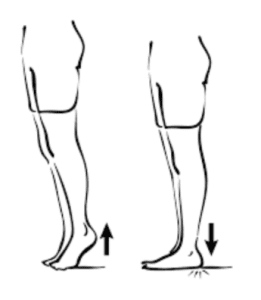
- Rise up onto your toes and hold the position for a few seconds.
- It’s important to perform this movement slowly and with control.
- These are just some of the exercises—there are many more available.
- Of course, each one can be adapted to the individual, and our team offer a wide range of additional exercises at our clinic.
- After conducting a thorough overall assessment, personalized plans are developed based on your needs.
Solve the problem for good and start treatment today
- Don’t let heel pain and plantar fasciitis slow you down in your daily life
- Timely and expert treatment is the key to long-lasting relief and returning to normal activities pain-free
- At our clinic Healthy Movements Physiotherapy, we offer a personalized approach, thorough diagnostics, and tailored exercise programs to help you eliminate discomfort and prevent its return.
- Schedule your appointment today and take the first step towards healthier feet and a better quality of life!
Want personalised heel pain treatment in your area? Book your initial assessment with one of our physios today: https://healthymovementsphysiotherapy.com.au/contact-us/
Frequently Asked Questions
- Although treatment can be lengthy and challenging, the prognosis for plantar fasciitis is favorable.
- Despite proper treatment, symptoms may last for weeks or months, but in most patients, they resolve within 12 months from the onset of symptoms.
- Better to prevent than to treat, so here are some practical tips on how to reduce the risk of developing plantar fasciitis in everyday life:
- Wear comfortable shoes with arch support. Choose footwear that provides the necessary support and adjustments for your feet.
- Regularly stretch your leg muscles. Incorporate stretching into your daily routine to maintain muscle flexibility.
- Maintain a healthy body weight. Keeping a healthy weight reduces the load on your feet.
- Warm up properly before sports activities. Warming up is essential to prepare muscles and ligaments for exertion.
- Gradually increase the intensity and duration of activities. Avoid sudden changes in activity intensity or duration to lower the risk of injury.
- Address any symptoms or discomfort promptly. If you notice pain or discomfort, consult a professional to resolve potential issues early.
- Plantar fasciitis is not a “serious disease,” but it can cause significant absence from work or recreational activities and thus negatively affect quality of life.
- Treatment can sometimes be lengthy, so it is essential to start treatment promptly and follow the instructions of your doctor and physiotherapist.
- It is important to carry out preventive measures, maintain an adequate level of physical activity, and a healthy body weight to reduce the risk of developing this condition.
- Unfortunately, there is no quick fix for this condition.
- However, you can significantly shorten or lengthen your recovery based on what you do when you notice plantar fasciitis symptoms.
- If you ignore your heel pain and carry on with your usual activities, it can take 12 months or longer to resolve.
- But, if you react quickly and start with the right treatments at the right time (within a few weeks of your first symptoms), it is possible to fully recover within 8 to 12 weeks.
- No. In most instances, following a structured exercise plan (which you can get from our expert team combined with the correct footwear or insoles is all you need to recover from plantar fasciitis.
- However, it may be worth seeing a specialist if your condition is severe or your symptoms don’t improve despite following the correct treatment for at least 6 months.
- The Healthy Movements Physiotherapy plantar fasciitis treatment plan is specially developed by physical therapists to help guide and teach you how to treat plantar fasciitis on your own.